Exploring the Rise of Wireless Charging: Trends and Innovations
The rise of wireless charging has transformed how we power our devices, leading to increased convenience and a gradual shift in consumer behavior. With the proliferation of smartphones, tablets, and wearable technology, the demand for seamless charging solutions has sky-rocketed. As a result, major companies like Apple, Samsung, and Xiaomi have adopted this technology, incorporating it into their latest products. Recent trends indicate a growing preference for wireless charging stations in public spaces, further boosting their adoption rate. According to a recent study, over 70% of consumers express a strong interest in using wireless chargers in their daily lives, showcasing the tech's potential to redefine personal and commercial charging practices.
Innovations in wireless charging technology continue to shape the market, paving the way for more efficient solutions. Leading advancements include faster charging speeds and extended range capabilities, which allow users to power devices from a distance without needing to maintain direct contact. Additionally, the development of Qi-enabled accessories has expanded the compatibility of wireless charging, making it accessible to a broader range of gadgets. As the landscape evolves, we can expect to see even more sophisticated wireless charging solutions, such as integrated systems in furniture and vehicles, which will further enhance user convenience and energy efficiency.
If you're looking to streamline your charging experience, consider the Top 10 Slim Wireless Charging Pads available on the market. These pads are designed to be compact and stylish, making them perfect for any desk or bedside table. With fast charging capabilities and compatibility with various devices, they provide both convenience and efficiency.
Is Wireless Charging the Future of Mobile Power? Major Trends to Watch
As we enter an era where convenience and sustainability are becoming paramount, wireless charging is rapidly gaining traction as a viable solution for powering our mobile devices. With innovations in technology, the demand for wireless charging is on the rise, driven by the increasing number of smartphones and gadgets that support this feature. In 2023, we foresee key trends, including faster charging speeds, improved efficiency, and compatibility with a broader range of devices. Many tech giants are investing heavily in this technology, hinting at a future where plugging in might become a thing of the past.
Another crucial trend to observe is the proliferation of wireless charging stations in public spaces, such as cafes, airports, and hotels. This shift towards more accessible charging solutions is likely to enhance consumer adoption significantly. Additionally, manufacturers are exploring innovative forms of wireless charging, like resonant inductive charging, which allows devices to charge from a distance, potentially revolutionizing how we think about mobile power. As these trends unfold, it’s clear that wireless charging could become the norm, shaping the future landscape of mobile energy solutions.
The Evolution of Wireless Charging: What’s Next for Zap or Nap?
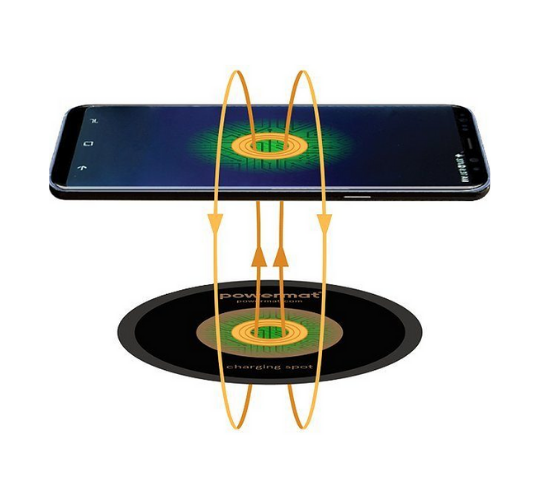
The journey of wireless charging has been nothing short of revolutionary, transforming how we power our devices. Initially introduced as a novel concept, early models relied on induction technology that required precise alignment between the charger and the device. Over the years, we have witnessed significant advancements in efficiency and compatibility, with standards like Qi becoming widely adopted. As smartphone manufacturers increasingly incorporate wireless charging capabilities, innovations such as resonant charging are emerging, allowing for greater flexibility in device placement and higher energy transfer rates.
Looking ahead, the future of wireless charging appears promising, particularly with developments in long-range charging solutions. Companies are exploring ways to create Zap or Nap experiences in public spaces, enabling devices to charge while users go about their daily activities. However, challenges such as safety regulations and energy loss need to be addressed before these systems become mainstream. As we delve into this new frontier, it is clear that the evolution of wireless charging is paving the way for a more convenient, cable-free world.