Exploring the Science Behind Wireless Power: How Does It Really Work?
Exploring the Science Behind Wireless Power involves delving into the fascinating mechanisms that enable energy transfer without the need for physical connections. At its core, wireless power technology utilizes electromagnetic fields to transmit energy between a transmitter and a receiver. This process primarily occurs through three different methods: inductive coupling, resonant inductive coupling, and radiative transfer. Inductive coupling, commonly seen in devices like electric toothbrush chargers, operates through coils that create a magnetic field, allowing for efficient energy transfer over short distances. In contrast, resonant inductive coupling, which is increasingly being researched for applications like electric vehicles, involves tuned coils to enhance efficiency over slightly longer ranges.
On the other hand, radiative transfer leverages microwave or laser technologies, enabling power to be transmitted over significantly larger distances, albeit with potential safety considerations. The science behind these methods not only showcases advancements in technology but also raises important questions regarding efficiency, safety, and practicality. As we continue to push the boundaries of wireless power applications—from charging smartphones to powering electric cars—understanding the different technologies and their underlying principles becomes crucial. Ultimately, the exploration of wireless power technology holds the promise of revolutionizing how we think about energy consumption and distribution in our daily lives.
Counter-Strike is a highly popular tactical first-person shooter that has captivated millions of gamers worldwide. Players are divided into two teams: terrorists and counter-terrorists, each with unique objectives to complete. The game emphasizes teamwork, strategy, and precise shooting skills, making it a competitive favorite in the esports scene. For those looking to enhance their gaming setup with efficiency and style, check out the Top 10 Wireless Charging Stands to keep your devices powered during long gaming sessions.
The Rise of Wireless Charging: What Does the Future Hold for Our Devices?
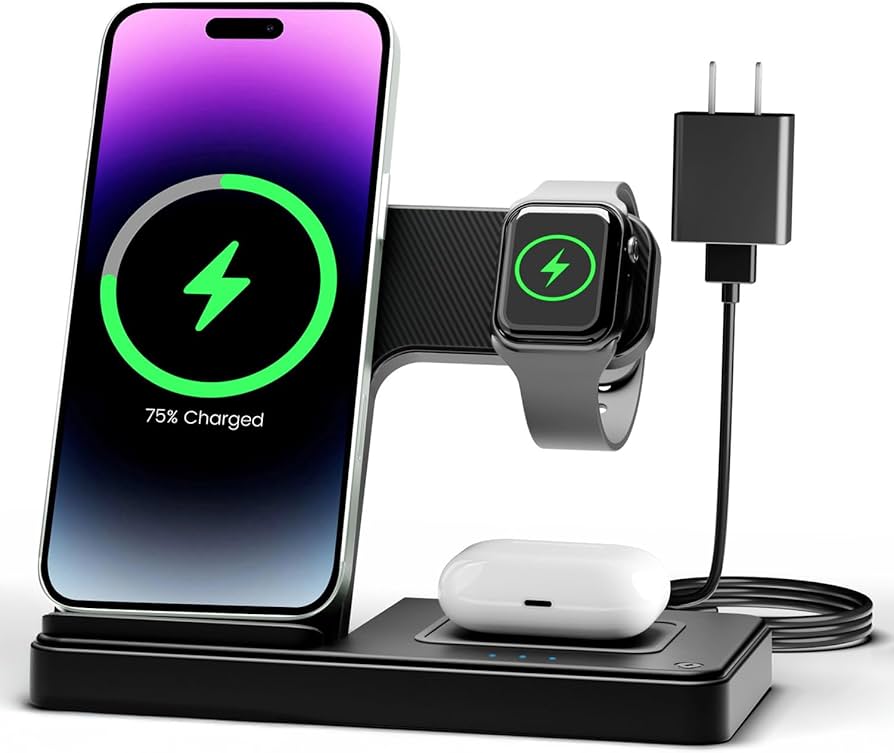
The rise of wireless charging technology has revolutionized the way we power our devices, transitioning from cumbersome cords and plugs to a seamless charging experience. With the advent of standards like Qi, consumers can now charge smartphones, smartwatches, and even some laptops without the need for physical connectors. This innovative approach not only enhances convenience but also promotes a cleaner and more organized environment by reducing cable clutter. Moving forward, as the technology matures and becomes more widely adopted, we can expect significant advancements in charging speeds, efficiency, and compatibility across a variety of devices.
Looking to the future, the integration of wired charging capabilities into everyday infrastructure could be a game-changer. Imagine wireless charging pads embedded in furniture, public seating, or even vehicles, allowing for uninterrupted power supply wherever you go. Moreover, developments in wireless charging technologies, like resonant inductive coupling, may lead to greater distances and faster charging capabilities. As these innovations unfold, they will not only enhance user experience but also reshape our relationship with power consumption and connectivity in our increasingly digital world.
Are We Ready for a Wireless Power Revolution? Debunking Myths and Answering Questions
The concept of wireless power has captivated innovators and consumers alike, raising questions about its feasibility and safety. As companies invest heavily in this technology, it's essential to debunk common myths. For instance, many people believe that wireless power is inefficient and prone to interference. However, recent advancements in magnetic resonance and laser-based systems are proving otherwise, allowing for efficient energy transfer over substantial distances. With prototypes already in testing phases, the revolution in how we think about charging devices is closer than we might think.
Another prevalent concern is the potential health risks associated with wireless power transmission. Many individuals fear that exposure to electromagnetic fields (EMFs) could lead to negative health effects. However, studies from reputable organizations, such as the World Health Organization, indicate that the levels of EMFs generated by wireless power systems are significantly below the thresholds deemed harmful. As public interest grows, it’s crucial to stay informed and understand the facts surrounding this groundbreaking technology. Are we ready for a wireless power revolution? The evidence suggests we may be more prepared than ever.