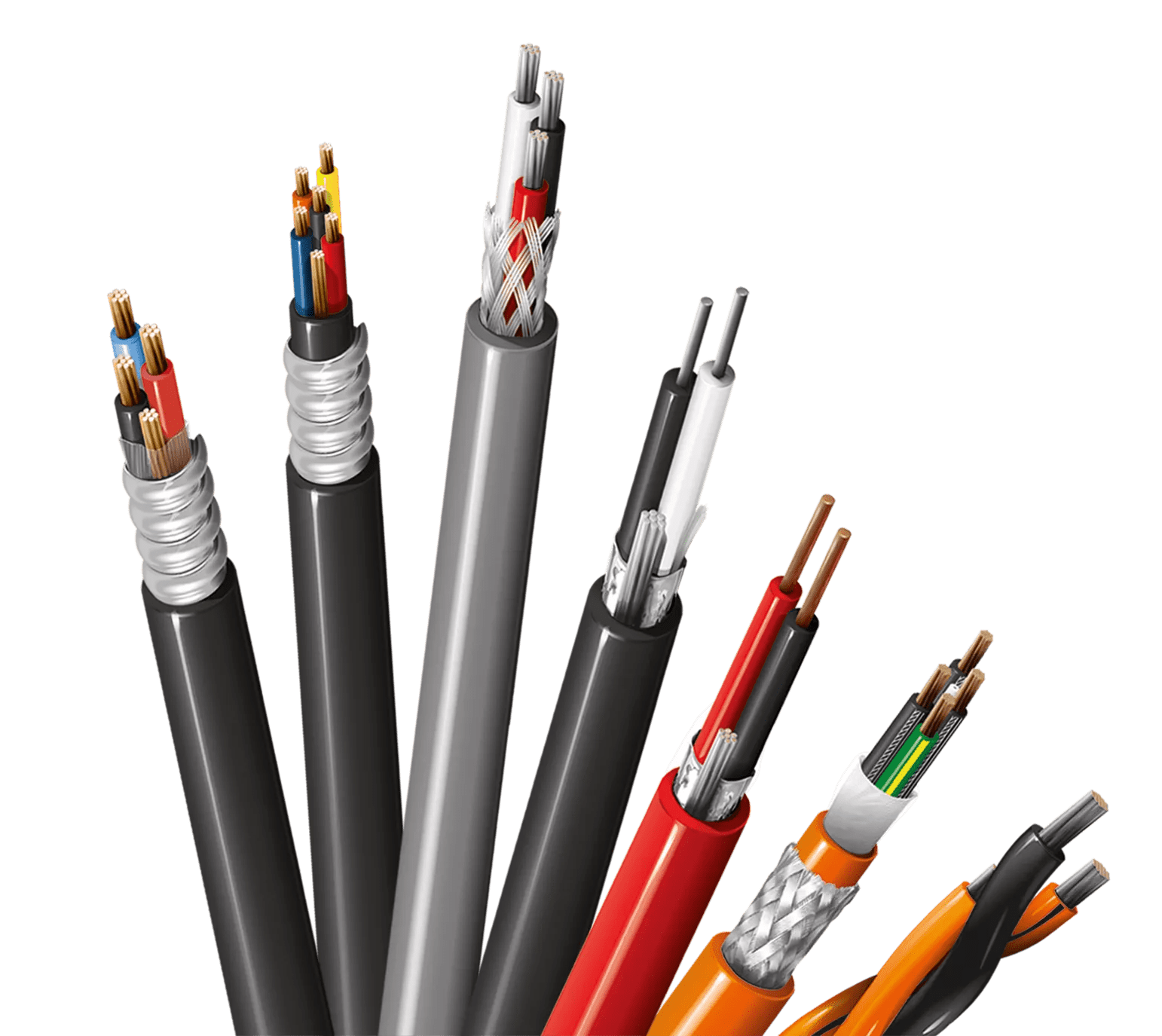
Understanding Your Home's Wiring: A Comprehensive Guide
Understanding your home's wiring is fundamental to ensuring safety and functionality in your living space. Most residential systems operate on 120-volt and 240-volt circuits, with the former powering standard outlets and the latter catering to heavy appliances like dryers and ovens. To get a grasp on your wiring, start by locating your main electrical panel, which houses circuit breakers that control the flow of electricity to different areas of your home. Familiarize yourself with the circuit layout, noting the breakers associated with specific rooms or devices, as this knowledge can be crucial during outages or maintenance.
Next, it's important to understand the components of your home's wiring system, which typically includes wires, outlets, switches, and the service panel. Here are some key elements to consider:
- Wires: Generally made of copper or aluminum and insulated to prevent electrical shocks.
- Outlets: Provide access to electrical power, with options for standard, GFCI, and AFCI types depending on location.
- Switches: Control lighting and designate areas of electrical flow as needed.
- Service Panel: The heart of your home’s electrical system that distributes power and protects the circuits.
Counter-Strike is a popular first-person shooter game that pits teams against each other in tactical combat. Players can choose to join either the terrorist or counter-terrorist team, with various missions and objectives to complete. For those who love gaming and travel, check out the Top 10 travel tech accessories to enhance your experience on the go. The game's strategic depth and competitive nature have made it a staple in the esports community.
The Hidden Dangers of Outdated Electrical Systems
Outdated electrical systems pose significant risks that are often overlooked by homeowners and businesses alike. Failing to upgrade wiring, circuit breakers, and other electrical components can lead to a myriad of issues, including increased risk of electrical fires, inefficiencies in energy consumption, and the potential for equipment malfunction. According to the National Fire Protection Association, faulty electrical wiring was responsible for approximately 20% of all house fires in recent years, underscoring the critical importance of maintaining modern electrical infrastructure. Ignoring the signs of aged or damaged systems can lead to costly repairs and pose serious safety hazards.
Another often underestimated concern with outdated electrical systems is their inability to support modern technology demands. As households and businesses incorporate more electronic devices, the strain on older electrical systems can cause unexpected outages and equipment damage. It is essential to recognize that upgrading electrical systems is not just a matter of compliance; it's a proactive step towards ensuring safety and efficiency. Homeowners should consider benefits such as lower energy bills, enhanced safety features, and compliance with updated codes when assessing their electrical infrastructure.
How to Identify Electrical Issues Before They Become Disasters
Identifying electrical issues before they escalate into major disasters can save you time, money, and even lives. Regularly inspecting your home’s electrical system is crucial. Look for signs like flickering lights, frequently tripped circuit breakers, or charred outlets. To stay proactive, consider implementing a routine check-up schedule, where you visually inspect wiring, extension cords, and appliances. If you notice any of these warning signs, take them seriously and consult a professional electrician.
Another effective way to uncover potential electrical problems is by utilizing technology. Devices like smart circuit breakers and home monitoring systems can alert you to unusual activity, providing an extra layer of protection. Moreover, educating yourself about common electrical hazards is beneficial. For instance, always use the correct wattage for light fixtures and avoid overloading circuits. By staying informed and vigilant, you can minimize the risk of electrical disasters and maintain a safe home environment.