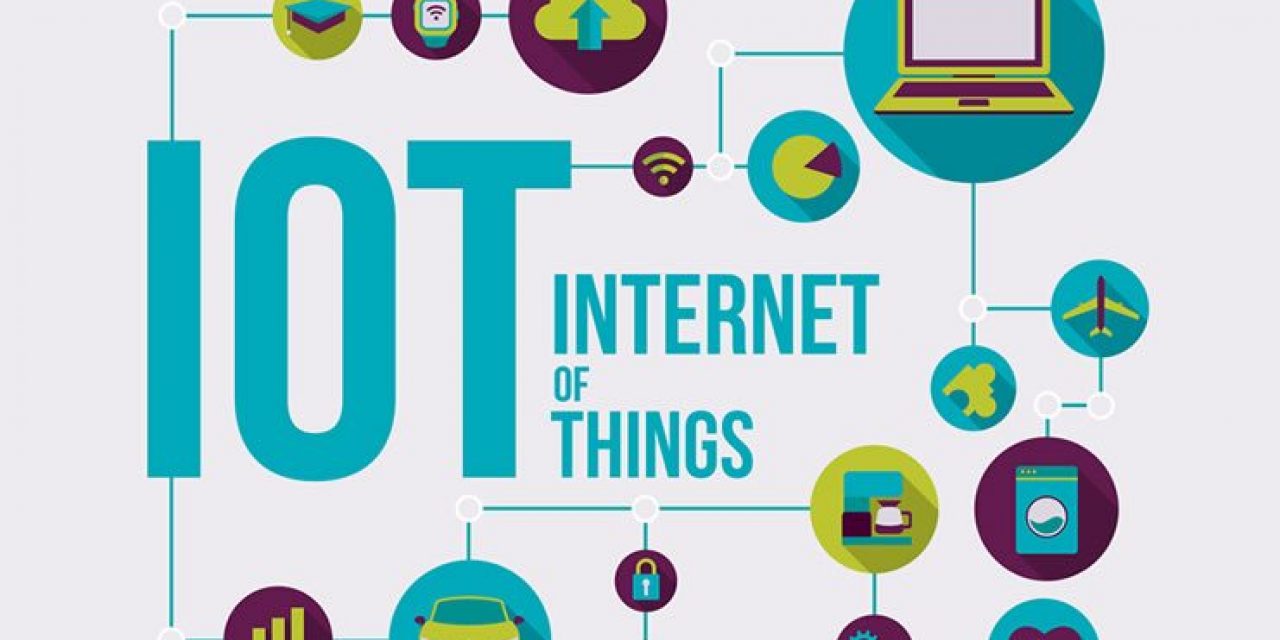
How Your Toaster Tracks Your Breakfast Habits: The Data Behind Smart Appliances
In an age where convenience meets technology, smart appliances like toasters are evolving to track our breakfast habits. These devices connect to the internet and utilize sensors to collect data on our toasting preferences, such as browning levels, frequency of use, and even which types of bread we prefer. By analyzing this data, the toaster can recommend personalized settings or even create a unique user profile. For example, if you frequently toast whole grain bread to a medium-dark crispiness, your toaster might prioritize this setting for future use.
However, with this convenience comes a wealth of information that the toaster tracks. Users might not realize that their toaster may share this data with manufacturers for improvements or targeted advertising. The implications of such data sharing raise questions about privacy and consumer rights. As smart appliances continue to integrate deeper into our daily routines, understanding how they collect and use data is essential. Smart appliances not only simplify our lives but also provide valuable insights into our habits, blurring the lines between convenience and privacy.
Counter-Strike is a highly popular tactical first-person shooter video game series where players assume the roles of two teams: the terrorists and the counter-terrorists. The game emphasizes teamwork, strategy, and skill, offering various modes and maps that challenge players in different ways. For those interested in enhancing their gaming experience with technology, check out the Top 10 smart home accessories that can take your setup to the next level.
Are Smart Fridges Really That Smart? Debunking Myths About IoT Devices
Smart fridges have gained significant attention in recent years, raising questions about their actual capabilities and practicality. Many consumers assume that these IoT devices are nothing more than glorified refrigerators, equipped with a touchscreen and internet connectivity. However, the reality is that smart fridges offer a variety of features designed to enhance your kitchen experience. For instance, they can monitor the freshness of food, provide recipe suggestions based on ingredients, and even allow you to create digital shopping lists. Despite the hype, it's essential to realize that not all smart fridges are created equal, and some come with limitations that may not justify their price tag.
Moreover, there are common myths surrounding smart fridges that need debunking. One such misconception is that they can automatically reorder groceries when supplies run low. While some smart fridges are compatible with grocery delivery services, this feature often requires manual setup and monitoring. Additionally, concerns about privacy and security are prevalent; many consumers worry about their personal data being vulnerable to hackers or how manufacturers utilize this data. Thus, as you navigate the world of smart appliances, it's crucial to approach with a critical mindset, weighing both the benefits and potential drawbacks of these sophisticated kitchen companions.
What Makes an IoT Device 'Smart'? Exploring the Technology Behind Everyday Gadgets
The term "smart" in the context of Internet of Things (IoT) devices signifies more than just basic functionality. An IoT device is considered smart when it can collect, transmit, and analyze data, providing users with actionable insights in real time. These devices utilize various technologies such as sensors, connectivity options like Wi-Fi or Bluetooth, and machine learning algorithms to enhance user experience. For instance, a smart thermostat not only allows for remote temperature control but also learns from user behavior to optimize energy consumption, ultimately contributing to energy efficiency and cost savings.
Furthermore, the intelligence behind these devices stems from their ability to communicate with other smart systems and devices. This connectivity enables features such as automation, remote monitoring, and predictive maintenance. For example, a smart home system can integrate various IoT devices, from lighting and security cameras to appliances, allowing users to manage their environments seamlessly. The incorporation of technologies like cloud computing and artificial intelligence plays a crucial role in making these devices responsive and adaptable, paving the way for a more interconnected and smarter lifestyle.