The Evolution of USB: From 1.0 to 4.0 - A Journey of Connectivity
The Universal Serial Bus (USB) has undergone a significant transformation since its inception in the mid-1990s. Starting with USB 1.0, which offered data transfer speeds of 1.5 Mbps for low-speed devices and 12 Mbps for full-speed devices, it laid the groundwork for a universal connection standard. With the introduction of USB 2.0 in 2000, this evolution accelerated, allowing for speeds up to 480 Mbps. This enhancement enabled users to connect a wider variety of peripherals, including printers, cameras, and external drives, defining a new era of connectivity that prioritized convenience and efficiency.
The journey continued with the advancements seen in USB 3.0 and its successors, USB 3.1 and USB 3.2, which introduced astonishing speeds of up to 10 Gbps and later 20 Gbps, respectively. The latest in this lineage, USB 4.0, promises even greater performance by integrating Thunderbolt 3 compatibility, enabling data transfer rates exceeding 40 Gbps. This evolution reflects not just technological advancement, but also the growing demand for faster, more versatile connections in our increasingly digital world. As we look toward the future, the innovations in USB technology will undoubtedly continue to shape how devices communicate and interact.
When it comes to enhancing your tech setup, investing in the Top 10 USB Accessories can make a significant difference. From versatile USB hubs to stylish flash drives, these accessories help streamline your workflow and improve connectivity.
Common USB Myths Debunked: What You Really Need to Know
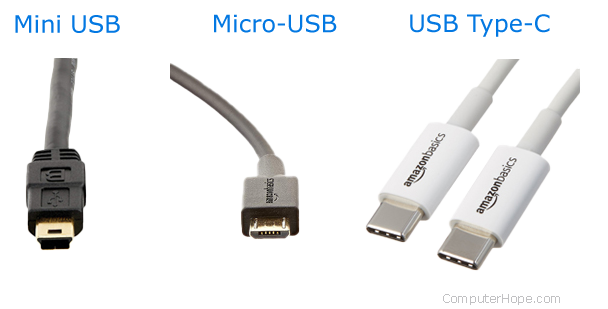
In the age of technology, USB myths have proliferated, often leading to confusion among users. One prevalent myth is that all USB cables and ports are created equal. In reality, USB technology has evolved significantly, resulting in multiple standards such as USB 2.0, 3.0, and the newer USB-C. Each of these variants differs in speed and power delivery, impacting how devices charge and transfer data. Understanding these differences is crucial for optimizing your device's performance and ensuring compatibility.
Another common misconception is that using a third-party charger and cable can harm your device. While it’s true that some low-quality products can cause damage, many reputable third-party manufacturers produce quality accessories that meet safety standards. To ensure you are making a safe choice, look for certifications like USB-IF (USB Implementers Forum) and read user reviews. By debunking these USB myths, you will not only enhance your tech experience but also make informed purchasing decisions.
USB-C vs. USB-A: Which One Should You Choose for Your Devices?
When it comes to choosing between USB-C and USB-A, it’s essential to consider the devices you’re using and your specific needs. USB-C, known for its reversible design, not only supports faster data transfer speeds but also allows for higher power delivery. This means that you can charge your devices more quickly and efficiently. On the other hand, USB-A is the traditional USB connector that has been around for decades, widely compatible with older devices such as keyboards and mice. If you’re looking to invest in the future of technology, USB-C is definitely the way to go.
Here are some key factors to consider when deciding between USB-C and USB-A:
- Compatibility: Ensure your devices support the connector type.
- Speed: USB-C can offer faster transfer rates compared to USB-A, especially with USB 3.1 and USB 3.2 standards.
- Charging: If you need to quickly charge devices like smartphones or laptops, USB-C is advantageous.