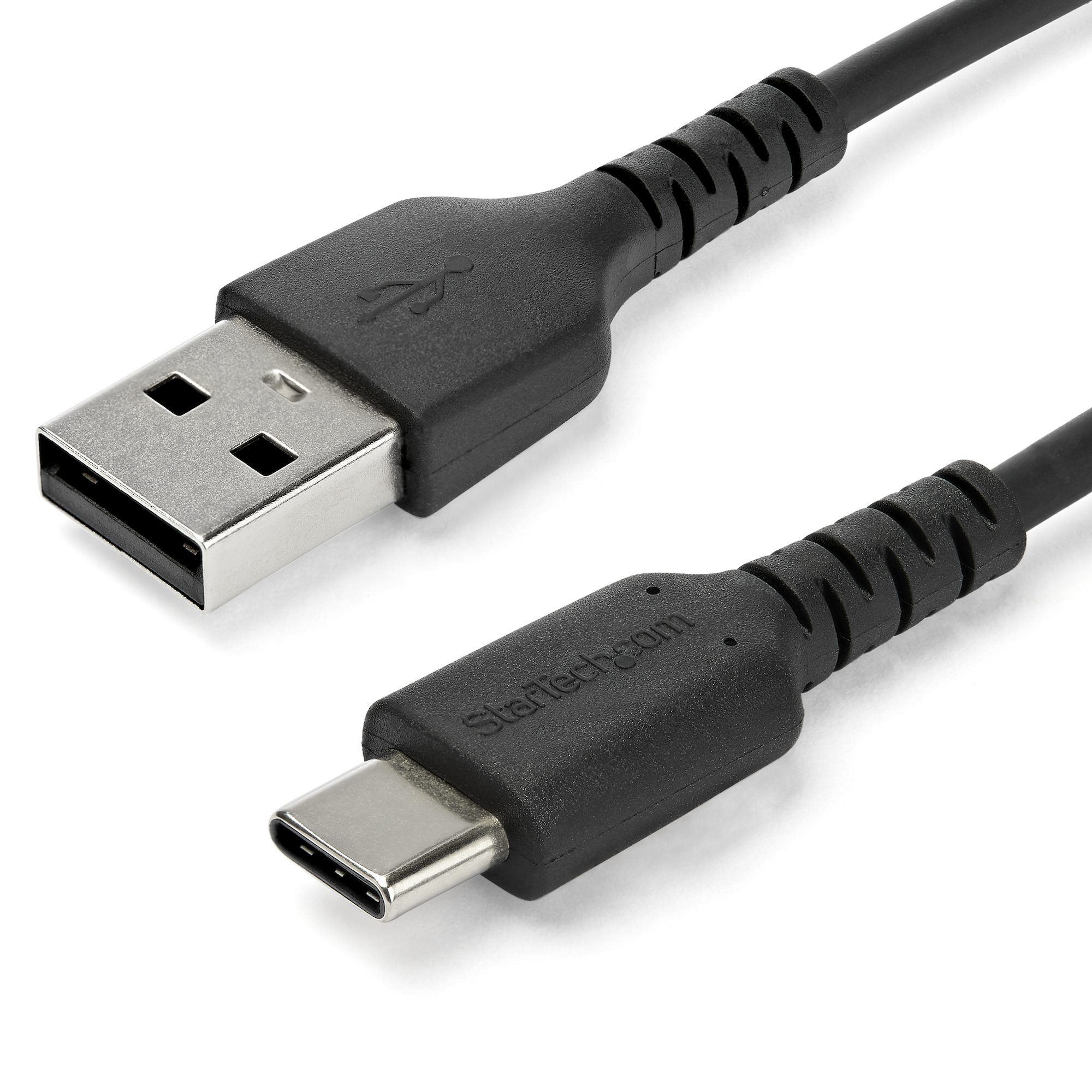
USB Type C: Understanding Its Versatility and Compatibility
USB Type C is a universal connector that has transformed the way we connect devices, offering significant versatility and compatibility in various electronics. Unlike its predecessors, USB Type C supports greater power delivery and faster data transfer rates, making it suitable for charging everything from smartphones to laptops. With its reversible design, users can plug it in either way, eliminating the frustration of searching for the correct orientation. Moreover, many devices, including tablets, monitors, and external drives, now come equipped with this standard, creating a growing ecosystem that enhances user convenience.
One of the standout features of USB Type C is its compatibility with multiple protocols. This connector can support not only USB data transfer but also HDMI, DisplayPort, and even Thunderbolt, allowing devices to communicate with one another seamlessly. For instance, a single USB Type C connection can be used to charge a laptop, connect to an external monitor, and transfer data to a storage device simultaneously. As businesses and consumers continue to adopt this versatile standard, understanding its capabilities will become increasingly crucial for maximizing efficiency and enhancing the user experience.
When it comes to fast charging your devices, having a reliable USB C cable is essential. The Top 10 Fast Charging USB C Cables provide a perfect blend of durability and speed, ensuring your gadgets power up quickly. Whether you need a cable for your smartphone, tablet, or laptop, these selections offer high performance and efficiency.
The Benefits of Switching to USB Type C: A Guide for Consumers
In recent years, USB Type C has emerged as the preferred standard for charging and data transfer across a wide range of devices. One of the most significant benefits of switching to USB Type C is its universal compatibility. Unlike previous USB versions, this new standard allows users to connect a single cable to various devices, including smartphones, laptops, tablets, and even some headphones. Not only does this reduce the clutter of different cables, but it also simplifies the process of charging—enabling faster charging speeds and data transfer rates of up to 10 Gbps. The versatility of USB Type C makes it a prime choice for consumers looking to streamline their tech accessories.
Another notable advantage of adopting USB Type C is the reversible design. This means that users no longer have to struggle with figuring out which way to plug in the connector, saving time and reducing wear on ports. Additionally, USB Type C supports various protocols, such as HDMI and DisplayPort, which makes it a multifaceted solution for connecting devices to monitors and displays without needing multiple adapters. With its growing adoption in newer devices, making the switch not only enhances your user experience but also positions consumers to take advantage of the latest technological advancements.
Is USB Type C the Future of Connectivity? Exploring Its Impact on Technology
The emergence of USB Type C as the new standard in connectivity represents a significant leap forward in technology. Its versatility allows for faster data transfer and charging, making it a critical component in modern devices ranging from smartphones to laptops. The adoption of this universal connector simplifies our tech landscape, reducing the number of cables needed and enhancing user experience. With support for various protocols such as Thunderbolt and DisplayPort, USB Type C is not just about convenience; it is paving the way for a more streamlined, efficient future in connectivity.
As we explore the impact of USB Type C on technology, it's essential to consider its role in fostering innovation. This connector's ability to support multiple functionalities—data transfer, charging, and video output—means that manufacturers can create slimmer, lighter devices without sacrificing performance. As more devices embrace this standard, we may witness a decline in proprietary connectors and a shift towards a unified ecosystem. Ultimately, USB Type C has the potential to revolutionize how we connect and interact with technology, making it a compelling choice for the future.