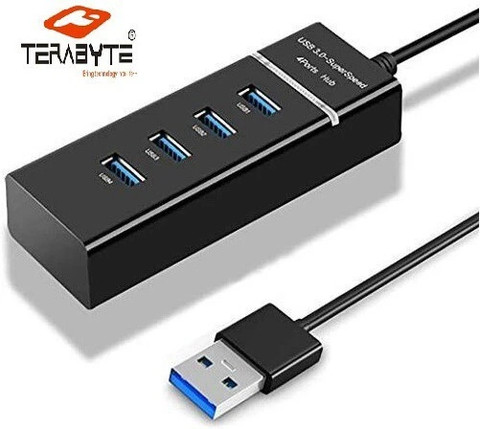
Maximize Your Device Potential: The Essential Guide to USB Hubs for Tech Enthusiasts
Maximizing your device's potential is more critical than ever in our fast-paced digital world. Tech enthusiasts often face the challenge of limited connectivity options, which can hinder productivity and creativity. This is where USB hubs come into play. By allowing multiple devices to connect to a singular port, USB hubs not only expand your connectivity options but also streamline your workspace. Whether you need to connect external hard drives, printers, or peripherals, a reliable USB hub can be a game-changer for both casual users and professionals alike.
When selecting a USB hub, consider key factors that will affect your device's performance, such as data transfer speeds, the number of available ports, and power delivery capabilities. Here's a quick checklist to guide your choice:
- Data Transfer Rate: Look for USB 3.0 or 3.1 options for faster speeds.
- Number of Ports: Consider how many devices you typically connect and plan accordingly.
- Bus-Powered vs. Self-Powered: A self-powered hub can supply more energy for demanding devices.
By investing in the right USB hub, you can unlock the full potential of your devices, ensuring that you stay connected and efficient.
Counter-Strike is a highly popular first-person shooter game that emphasizes teamwork, strategy, and skill. Players can choose to be on the terrorist or counter-terrorist team, engaging in various objective-based gameplay modes. The game has a strong competitive scene, with numerous tournaments around the world. If you're looking for the best gear to enhance your meeting experience, check out the Top 10 iPad Accessories for Meetings.
Why You Shouldn't Underestimate the Power of a USB Hub
In today's technology-driven world, USB hubs have become essential tools for both personal and professional use. With a limited number of ports on devices such as laptops, smartphones, and even gaming consoles, a USB hub offers the flexibility to connect multiple peripherals simultaneously. Whether you need to charge your devices, transfer data, or connect to additional hardware, underestimating the power of a USB hub can lead to frustrating limitations. The right hub can enhance your productivity by allowing seamless integration of devices like printers, external hard drives, and even additional monitors.
Moreover, USB hubs vary widely in capabilities, offering features such as fast charging, data transfer rates, and built-in surge protection. For instance, some hubs include individual power switches for each port, allowing users to manage their connected devices efficiently. This can be particularly beneficial in office environments where multiple devices need to be charged overnight or during work hours. Not only do these hubs optimize efficiency, but they also help in keeping your workspace organized, reducing cable clutter and the chaos of multiple charging adapters.
The Ultimate Comparison: USB Hubs vs. Adapters - Which Is Right for You?
When it comes to expanding the connectivity options of your devices, understanding the differences between USB hubs and adapters is crucial. USB hubs are devices that allow multiple peripherals to connect to a single USB port on your computer, effectively increasing the number of available ports. This is particularly beneficial for users with numerous devices, such as external hard drives, printers, and keyboards. On the other hand, adapters serve a different purpose; they convert one type of connection to another—for instance, a USB to Ethernet adapter for wired internet access. When choosing between the two, consider your specific needs: if you require multiple connections, a USB hub is the way to go, while adapters are essential when you need to bridge different device types.
Here are some key factors to keep in mind when deciding whether a USB hub or an adapter is right for you:
- Number of Devices: If you frequently connect multiple devices, opt for a USB hub.
- Device Compatibility: For connecting different port types, such as HDMI to USB-C, an adapter is necessary.
- Data Transfer Speed: Some USB hubs offer faster data transfer rates, while adapters may vary in performance.
Ultimately, the choice between a USB hub and an adapter hinges on your individual usage scenario. Evaluate your devices and connectivity needs to make an informed decision that enhances your productivity.