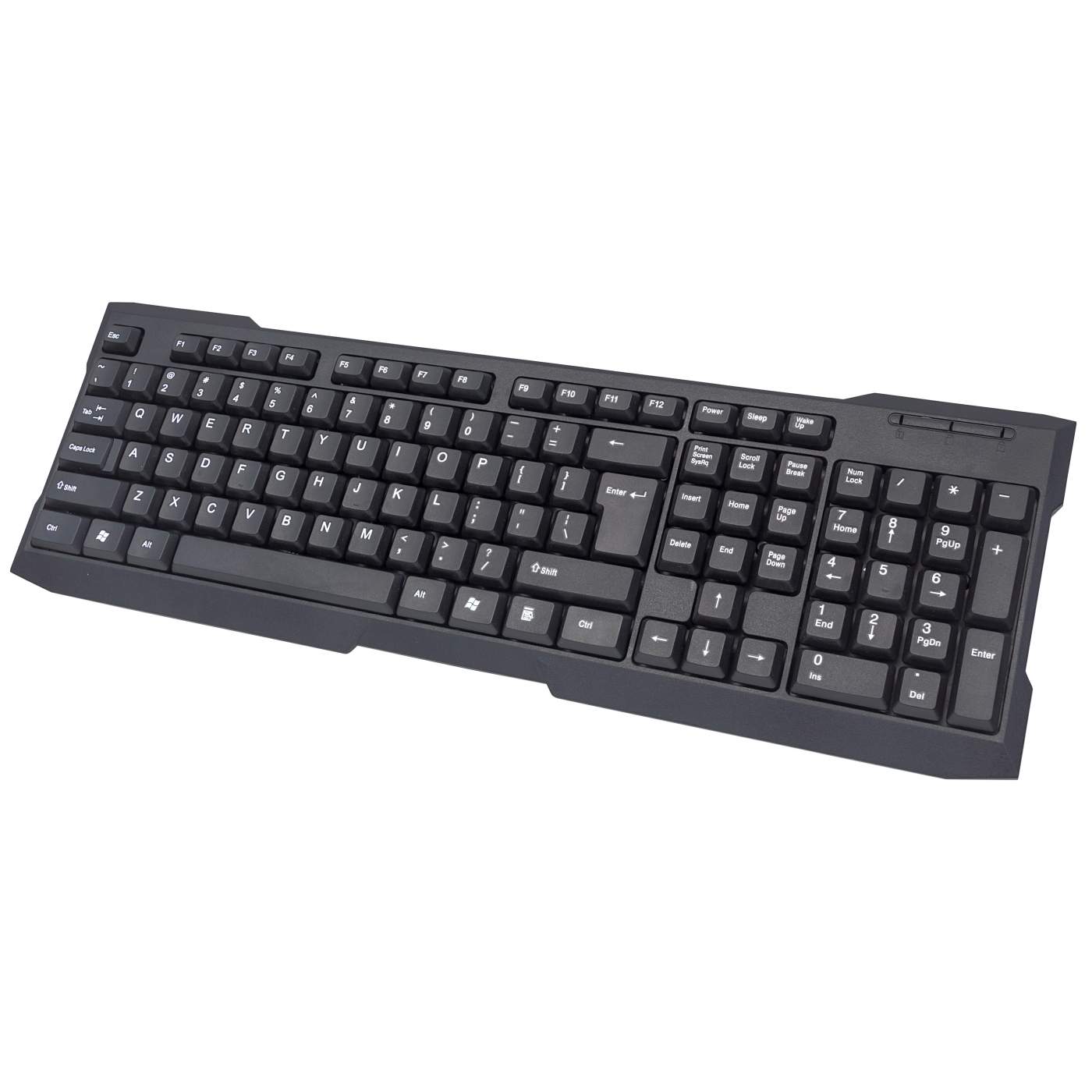
The Evolution of Keyboards: From Typewriters to Modern Marvels
The history of keyboards is a fascinating journey that traces back to the humble typewriter, a revolutionary invention in the 19th century. The typewriter transformed the way people wrote, enabling faster and more legible text production. With the introduction of the QWERTY layout by Christopher Latham Sholes in 1873, the foundations for modern typing were laid. As technology progressed, the transition from typewriters to electric keyboards in the 20th century marked another significant milestone. This evolution continued with the advent of personal computers in the 1980s, which popularized the membrane keyboard and provided new functionalities, paving the way for today’s sophisticated devices.
Fast forward to the present day, and we see an array of keyboard types that cater to various needs and preferences. Modern marvels such as mechanical keyboards, which are favored by gamers and programmers alike, offer tactile feedback and customizable options. Additionally, the emergence of ergonomic keyboards highlights the focus on user comfort, reducing strain during prolonged use. As we continue to push the boundaries of technology, features like wireless connectivity, RGB lighting, and integrated touchscreens are becoming commonplace. The evolution of keyboards reflects not just changes in technology but also the evolving ways in which we interact with our devices.
Keeping your keyboard clean is essential for maintaining hygiene and ensuring optimal performance. For a thorough clean, you might want to consider the Top 10 Keyboard Cleaning Gels, which are specially designed to remove dirt and debris from hard-to-reach areas. These gels are easy to use and effective, making keyboard maintenance a breeze.
How to Choose the Perfect Keyboard for Your Needs
Choosing the perfect keyboard for your needs involves considering several key factors that can significantly enhance your typing experience. First, think about the type of keyboard layout you prefer: mechanical, membrane, or scissor-switch. Mechanical keyboards are praised for their tactile feedback and durability, making them ideal for gamers and typists alike. On the other hand, membrane keyboards are generally quieter and more affordable, which can be perfect for casual users or those working in shared spaces. Scissor-switch keyboards, often found in laptops, offer a balance between the two, providing a satisfying typing experience with a compact design.
Next, you should consider the size and form factor of the keyboard you want. Full-sized keyboards come with a number pad and dedicated function keys, while tenkeyless (TKL) options remove the number pad for a more compact design. If you're short on desk space or need a keyboard that is easily portable, a compact or mini keyboard might be best suited for you. Additionally, check for features like backlighting, programmable keys, and connectivity options (wired vs. wireless) that match your preferences and lifestyle. By carefully evaluating these factors, you can select a keyboard that perfectly meets your needs and enhances your overall productivity.
What Makes Mechanical Keyboards Stand Out?
Mechanical keyboards are distinguished by their unique construction and performance features that cater to both gamers and typists alike. Unlike traditional membrane keyboards, mechanical ones utilize individual mechanical switches for each key, offering a superior tactile feedback and audible click with every keystroke. This not only enhances the typing experience but also contributes to increased accuracy and speed. Many users report a greater sense of comfort during long typing sessions, making them a preferred choice for professionals and enthusiasts who spend hours at their desks.
Another element that makes mechanical keyboards stand out is their customizability. Users can choose from a variety of switch types—such as linear, tactile, or clicky—each providing a different feel and sound. Additionally, these keyboards often come with features like customizable backlighting and programmable keys, allowing users to tailor their setups to fit their personal style and productivity needs. Moreover, the durability of mechanical keyboards means they can withstand heavy usage, often lasting longer than standard keyboards while maintaining optimal performance.