Unpacking the Impact: How Poor Video Quality Undermines Your Message
In today's digital landscape, video quality has become a critical factor in how messages are perceived. Poor video quality can significantly undermine the effectiveness of your communication, leading to confusion and disengagement among viewers. When the resolution is low or the audio is unclear, your audience may struggle to grasp the essential points of your message, detracting from its intended impact. As a result, investing in high-quality video production is essential to ensure that your content resonates and maintains the audience's attention.
Moreover, video quality directly affects your brand's credibility. Viewers often associate high-quality visuals with professionalism and trustworthiness. Conversely, subpar video can create a negative impression and diminish your reputation. By delivering crisp, clear content, you not only ensure that your message is conveyed accurately but also enhance your brand's image. In essence, neglecting video quality can lead to lost opportunities and a weakened connection with your audience, making it imperative to prioritize this aspect of your content strategy.
Counter-Strike is a popular tactical first-person shooter game that pits teams of terrorists against counter-terrorists in various missions. Players can choose to play in different modes, each offering unique maps and objectives that require teamwork and strategy to win. For gamers looking to enhance their streaming experience, check out the Top 10 Phone Accessories for YouTube that can elevate your gameplay visuals.
Is Your Video Quality Turning Viewers Away? Key Factors to Consider
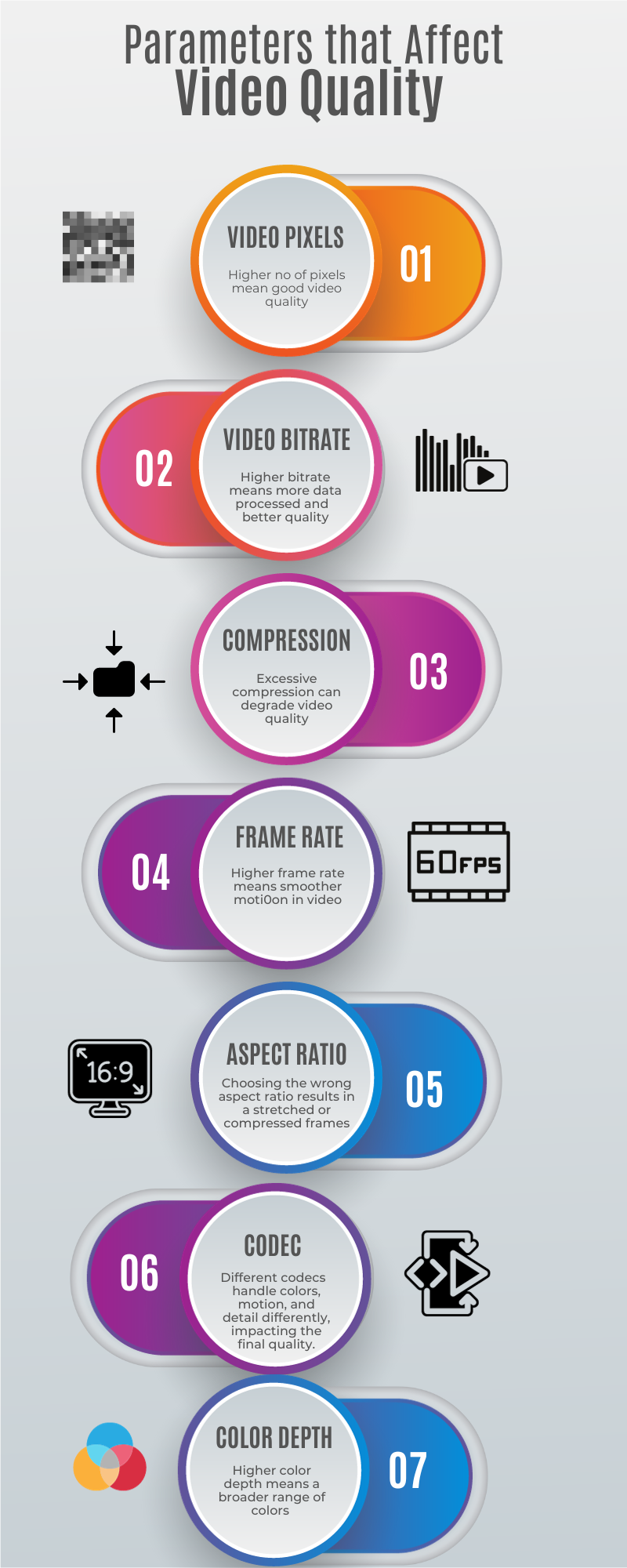
In today's digital landscape, video quality plays a crucial role in capturing and retaining viewers' attention. If your videos are grainy, poorly lit, or have distracting audio, chances are, audiences will click away before the first minute is up. To ensure your content resonates with viewers, you must focus on key factors such as resolution, bitrate, and overall production values. Professionals suggest aiming for at least 1080p resolution to guarantee a clear and engaging viewing experience, as low-quality visuals can undermine your message and decrease viewer retention rates.
Beyond technical specifications, it's essential to consider how your video's quality aligns with its content and audience expectations. For instance, a cooking tutorial might not require cinematic excellence, but issues like poor framing or inaudible instructions can certainly diminish the viewer experience. Always seek feedback from your audience; understanding their preferences can help you calibrate your production quality. Ultimately, investing in video quality is not just about aesthetics—it's about creating a memorable experience that keeps viewers coming back for more.
The Hidden Costs of Low-Quality Video: Why Clarity Matters for Engagement
In the digital age, video content has become an essential tool for engaging audiences. However, many creators underestimate the hidden costs of low-quality video. Poor video quality can lead to diminished viewer engagement, with audiences less likely to watch to the end or share content that lacks clarity. A study indicated that viewers are more than 80% likely to abandon a video that is blurry or difficult to hear. This abandonment not only affects view counts but also potential conversion rates, as a lack of engagement can directly translate to lost opportunities.
Moreover, the impact of low-quality video extends beyond mere aesthetics. When viewers encounter content that is difficult to appreciate due to poor production values, they may question the credibility of the brand or creator behind it. In fact, studies show that high-quality visuals can enhance the perceived professionalism of the content, fostering trust and loyalty among viewers. To maximize engagement and ensure that your message resonates, investing in clear, high-quality video production is essential. Remember, clarity matters—it’s not just about what you say, but how you present it that makes all the difference.