Understanding Spatial Audio: The Future of Sound Technology
Spatial audio is revolutionizing the way we experience sound by creating immersive environments that mimic real-life acoustics. This cutting-edge technology allows users to perceive sounds coming from various directions and distances, providing a sense of depth and realism that traditional stereo sound simply cannot achieve. With advancements in sound technology, spatial audio has become increasingly accessible, thanks to platforms like Dolby Atmos, Apple Spatial Audio, and various gaming applications that enhance our auditory experience.
As we look towards the future, the potential applications for spatial audio are vast. For instance, in the realm of virtual and augmented reality, users can interact with their environments in new and exciting ways, fully immersing themselves in different scenarios. Additionally, the integration of this technology into music production, film, and even telecommunication enhances audience engagement and enjoyment. By understanding the possibilities that spatial audio offers, we can anticipate a transformative shift in how content is consumed and enjoyed across various platforms.
When looking for an immersive listening experience, the Top 10 spatial audio headphones can redefine how you enjoy music, movies, and games. These headphones offer unique features such as 3D soundscapes and dynamic audio, enhancing your overall experience. Whether you're a casual listener or an audiophile, choosing the right model from the best options available is crucial for achieving the perfect sound.
How Spatial Audio Transforms Your Listening Experience
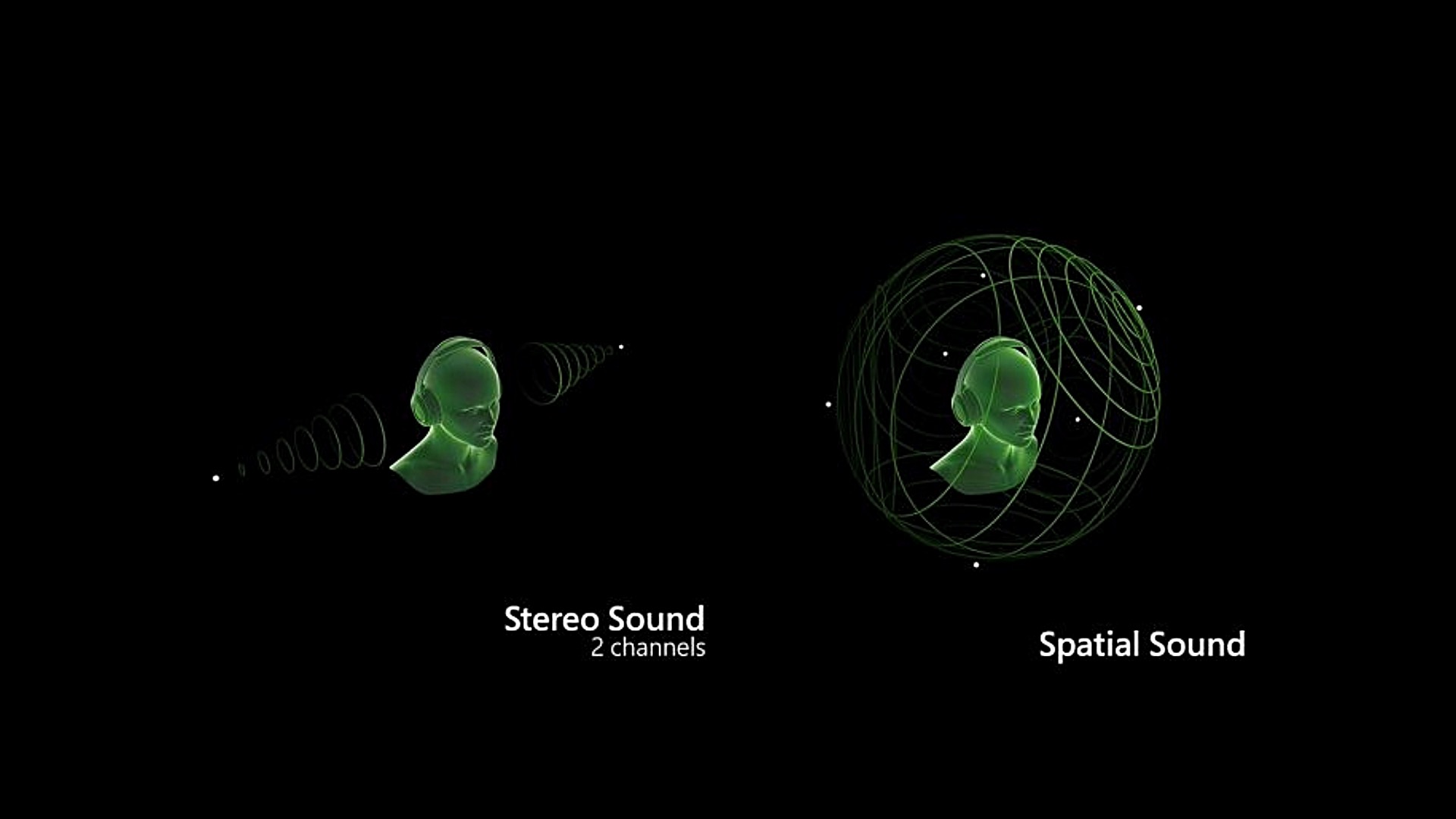
Spatial audio has revolutionized the way we perceive sound, creating an immersive experience that mirrors real-life acoustics. Unlike traditional stereo sound, which is confined to left and right channels, spatial audio allows sound to come from multiple directions, enhancing the depth and richness of your listening experience. This technology utilizes advanced algorithms and head-tracking capabilities, making it possible to enjoy music, podcasts, and films as if you were surrounded by a three-dimensional sound environment. Whether you're using headphones or a surround sound system, the difference is stunning—from the subtle rustle of leaves to the crisp notes of a piano, every detail is brought to life.
Moreover, the impact of spatial audio extends beyond entertainment, influencing various fields such as gaming and virtual reality. In gaming, it offers players a competitive edge by allowing them to precisely locate sounds, such as footsteps or gunfire, enhancing gameplay and strategy. In virtual reality scenarios, spatial audio heightens the sense of presence, making users feel as though they are truly part of the environment. As this technology continues to evolve, it not only transforms how we listen but also where we find ourselves in our auditory experiences.
What is Spatial Audio and How Does It Work?
Spatial audio is an advanced sound technology designed to create an immersive audio experience that simulates a three-dimensional sound environment. By using techniques such as object-based audio and head-related transfer functions (HRTF), spatial audio allows users to perceive sound from multiple directions, akin to how we naturally hear in real life. This technology has gained considerable traction in various fields, from music and gaming to virtual reality (VR) and augmented reality (AR), enhancing the way audio is experienced and interacted with.
At its core, spatial audio works by mapping sounds to specific locations in a three-dimensional space. Spatial audio systems utilize various sound formats, including Dolby Atmos and DTS:X, which enable sound designers to position audio elements in a 3D environment. When these audio cues are played back through headphones or multi-speaker setups, listeners can detect audio coming from above, below, and all around them, creating a richly immersive experience. This capability is particularly beneficial for enhancing storytelling in films and video games, making the auditory experience as engaging as the visual one.