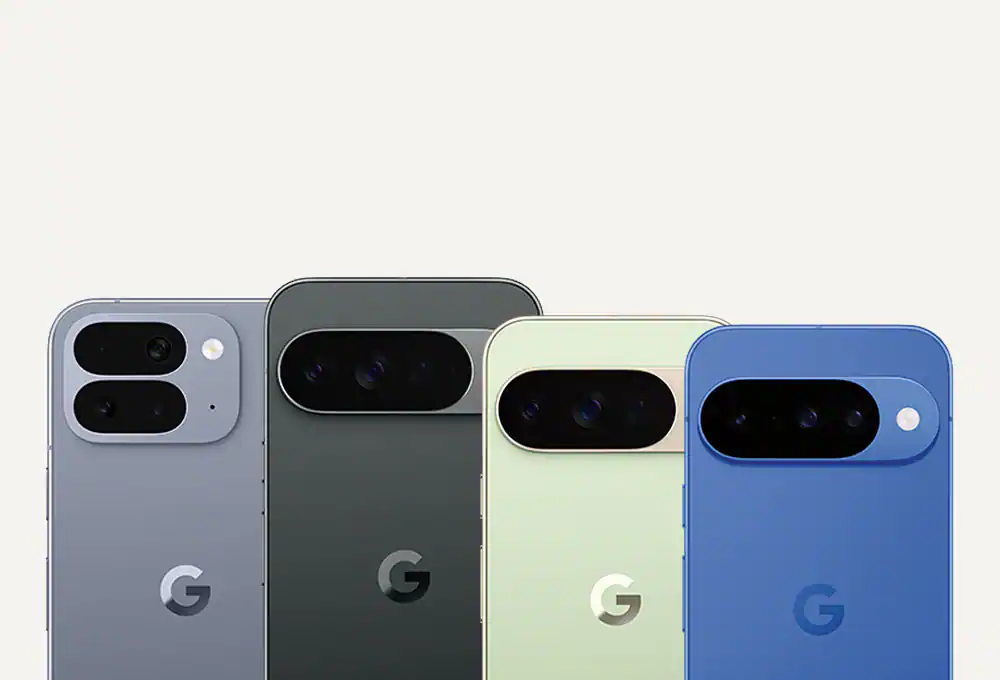
The Evolution of Smartphones: From Communication Tools to Pocket-Sized Drama Queens
The journey of smartphones has been nothing short of revolutionary. Initially designed as mere communication tools, these devices have evolved dramatically since their inception in the late 20th century. The first mobile phones, bulky and limited to voice calls, laid the groundwork for what we now consider the modern smartphone. As technology advanced, features such as texting, emailing, and browsing the internet were gradually integrated, transforming these devices into essential portals of information and connectivity. The introduction of the first iPhone in 2007 marked a pivotal moment, leading to a new era where smartphones became multifunctional devices capable of housing various applications and services.
Today, smartphones have taken on a life of their own, acting as pocket-sized drama queens that dominate our daily lives. They serve not only as communication tools but also as our personal assistants, gaming consoles, and social media hubs. With the rise of platforms like TikTok and Instagram, these devices have become integral to our social lives, influencing trends and shaping cultural narratives. As consumers demand increasingly sophisticated features—such as advanced cameras, virtual reality capabilities, and AI integration—smartphones continue to evolve and push the boundaries of what we once thought possible. This relentless progression poses the question: how will the next generation of smartphones redefine our interaction with technology?
Counter-Strike is a highly popular first-person shooter game that pits teams of terrorists against counter-terrorists in various objective-based missions. Players must strategize and communicate effectively to outmaneuver their opponents, making teamwork crucial for success. If you're looking for ways to protect your new device while gaming, check out the Top 10 iPhone 17 cases to find the best options available.
Are Smartphones Making Us More Anxious? Exploring the Psychological Impact
In today's digital age, smartphones have become integral to our daily lives, providing instant access to information and constant connectivity. However, this convenience comes at a cost, as many studies indicate that smartphones may be contributing to rising levels of anxiety among users. The perpetual scrolling through social media feeds, coupled with the pressure to maintain a curated online persona, can lead to feelings of inadequacy and stress. Additionally, the fear of missing out (FOMO) can cause individuals to feel compelled to stay connected at all times, further exacerbating their anxiety.
Moreover, the blue light emitted by smartphone screens can disrupt sleep patterns, leading to sleep deprivation, which is closely linked to increased anxiety levels. A study by the American Psychological Association found that individuals who frequently check their phones feel higher levels of stress when they don't have access to their devices. To address this psychological impact, mental health professionals recommend implementing screen time limits and practicing mindfulness to cultivate a healthier relationship with technology. By setting boundaries, users can mitigate the adverse effects smartphones may have on their mental well-being.
How to Manage Smartphone Addiction: Tips for a Balanced Digital Life
In today's hyper-connected world, smartphone addiction can severely impact our daily lives, relationships, and productivity. To regain control, start by setting clear boundaries for smartphone usage. Create designated times for checking your phone, such as during lunch or after work hours, to prevent constant distractions. Additionally, consider utilizing features like 'Do Not Disturb' or 'Screen Time' on your device to limit notifications and track your usage. These tools help reinforce your commitment to a balanced digital life by making you more aware of how much time you spend on your device.
Another effective strategy to combat smartphone addiction is to cultivate alternative activities that do not involve screens. Engage in hobbies like reading, exercising, or spending quality time with family and friends. Consider joining community groups or attending workshops to foster social interactions without the influence of technology. By finding fulfilling substitutes for smartphone use, you can reduce dependency and improve your overall well-being. Remember, making conscious choices about how you engage with digital devices can lead to a more satisfying and balanced digital life.