The Science Behind Noise Cancelling: How It Works and Why It Matters
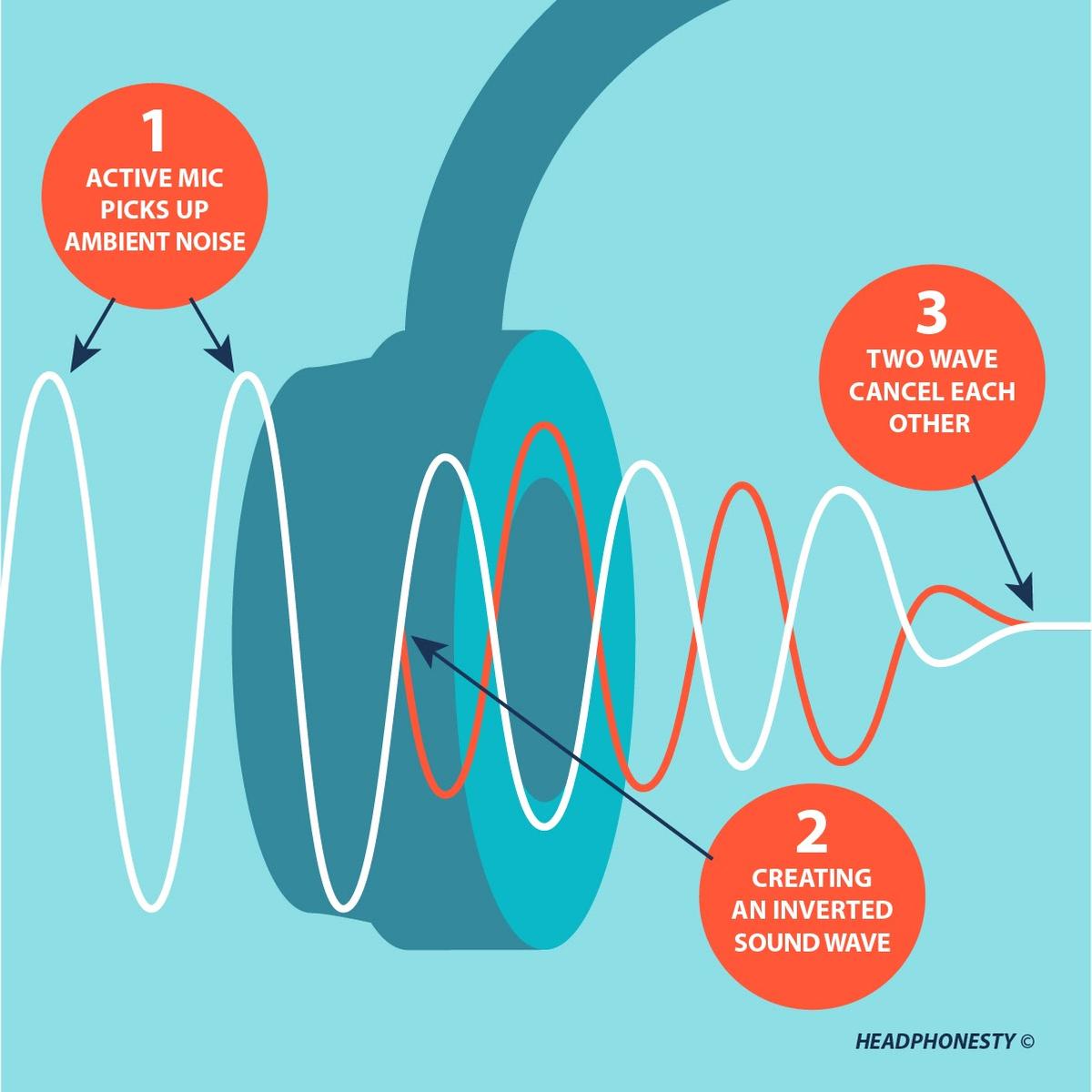
The science behind noise cancelling is rooted in the principles of sound wave interference and psychoacoustics. Noise-cancelling headphones utilize a technology called active noise control, which involves the detection of ambient sounds through built-in microphones. These microphones pick up external noise and generate sound waves that are the exact opposite, or 'anti-noise,' effectively canceling out the unwanted sound. This process occurs in real-time, allowing you to enjoy your music or podcast without the distractions of the outside world. The technology can significantly reduce low-frequency sounds, such as the hum of an airplane or the roar of a train, creating a much quieter listening experience.
Understanding why noise cancelling matters is essential, especially in today's fast-paced world. With increasing noise pollution affecting our daily lives, noise-cancelling technology offers not only comfort but also health benefits. Chronic exposure to loud environments can lead to stress and anxiety, impacting overall well-being. By utilizing noise-cancelling headphones, individuals can create a personal oasis of sound, allowing for better concentration and relaxation. Furthermore, this technology is invaluable for professionals who require focus in noisy settings, such as open offices, coffee shops, or during travel. Investing in quality noise-cancelling devices can enhance productivity while promoting a more peaceful atmosphere.
For those looking to enjoy an immersive audio experience, the Top 10 noise cancelling earbuds provide excellent options to block out distractions. With advancements in technology, these earbuds not only deliver high-quality sound but also come equipped with impressive noise cancellation features. Whether you're commuting, exercising, or just relaxing at home, investing in a good pair can significantly enhance your listening experience.
Top 5 Myths About Noise Cancelling Headphones Debunked
When it comes to noise cancelling headphones, several myths can cloud consumer understanding, leading to misconceptions about their functionality. One common myth is that all noise cancelling headphones are the same. In reality, there are two primary types: passive noise isolation, which blocks sound through physical barriers, and active noise cancellation (ANC), which uses microphones and sound waves to reduce ambient noise. Each type has its strengths, making it essential to choose based on your specific needs, whether it’s for travel, office work, or enjoying music free of distractions.
Another widespread myth is that noise cancelling headphones are only effective against low-frequency sounds, like airplane hums or air conditioning units. However, modern models, especially those utilizing advanced ANC technology, can significantly reduce a wide range of frequencies. This means that they can also effectively diminish high-frequency noises, such as chatter in a busy café or the sounds of city life. Understanding these capabilities can help users make informed decisions and choose headphones that truly enhance their listening experience.
Is Total Silence Beneficial? Exploring the Pros and Cons of Noise Cancellation
In today's increasingly noisy world, many people find themselves seeking out moments of total silence or utilizing noise cancellation technology to escape the clamor of everyday life. On one hand, proponents argue that noise cancellation can enhance focus, promote relaxation, and even improve sleep quality. By creating a serene environment free from distractions, individuals may experience heightened productivity and mental clarity, making it easier to tackle tasks or engage in creative pursuits. For instance, using noise-canceling headphones while studying can significantly reduce anxiety and improve concentration.
However, it's essential to consider the pros and cons of completely removing sound from our lives. While temporary silence can be beneficial, a total absence of auditory stimulation may lead to feelings of isolation or even anxiety for some individuals. Furthermore, exposure to a natural range of sounds can enhance cognitive functions and foster social interactions. As with many things in life, moderation is key; balancing periods of total silence with meaningful auditory experiences may provide the best of both worlds for mental well-being.